


FWhy Buyers and Sellers Need to Look Beyond the Headlines
When people ask whether the Florida real estate market is “good” or “bad,” the question is usually too broad to be useful.
Florida is not one real estate market. Central Florida is not one market. Even within the same county, the conditions affecting a condominium, a new construction home, a luxury property, an investment property and a vacant parcel of land can be completely different.
That is why broad headlines such as “Florida inventory is rising” or “home prices are falling” can easily mislead consumers.
Property Type Matters
A single-family home in a desirable school district may experience strong demand while a condominium a few miles away may struggle because of insurance costs, reserve requirements or pending assessments.
New construction can also create additional competition for resale sellers. Builders may offer interest-rate incentives, closing-cost assistance or upgrades that individual homeowners cannot easily match.
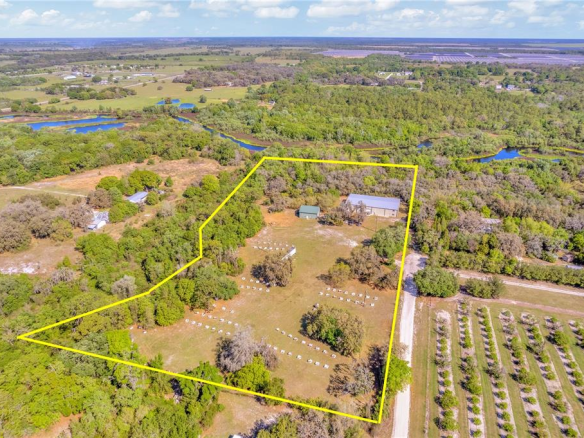
Land is an entirely different category. A parcel may appear inexpensive until a buyer discovers problems involving wetlands, access, utilities, zoning, impact fees or permitting.
Local Supply Matters
Real estate is highly localized. The amount of available inventory in a neighborhood affects how much leverage buyers and sellers have. When buyers have several similar properties to choose from, pricing and condition become increasingly important.
Sellers who rely on what a neighbor sold for a year ago may find themselves chasing the market downward through repeated price reductions.
A better strategy is to evaluate:
- Current active competition and Pending sales
- Recent closed sales and Days on market
- Seller concessions and New construction competition
- Insurance considerations and Property condition
Buyers Need More Than a Price
Buyers should evaluate the total cost and risk of ownership. A home may appear affordable based on the mortgage payment but become substantially more expensive once insurance, property taxes, association fees and special assessments are considered.
The right question is not simply:
“What can I buy?”
It is:
“What am I buying, what obligations come with it, and how could those obligations change?”
Sellers Need to Position, Not Just List
In a changing market, putting a home in the MLS is not a complete strategy. Sellers must understand how their property compares with every other option a buyer is considering.
That includes condition, pricing, insurance characteristics, upgrades, community restrictions and competing incentives from builders.
The first few weeks of a listing are particularly important because that is when the property receives the most attention from active buyers.
The Bottom Line
Florida real estate should be evaluated property by property and market by market.
Broad market statistics provide useful context, but they should never replace local analysis.
Before making a major real estate decision, understand the specific market you are entering—not simply the headline describing the state.



Join The Discussion