

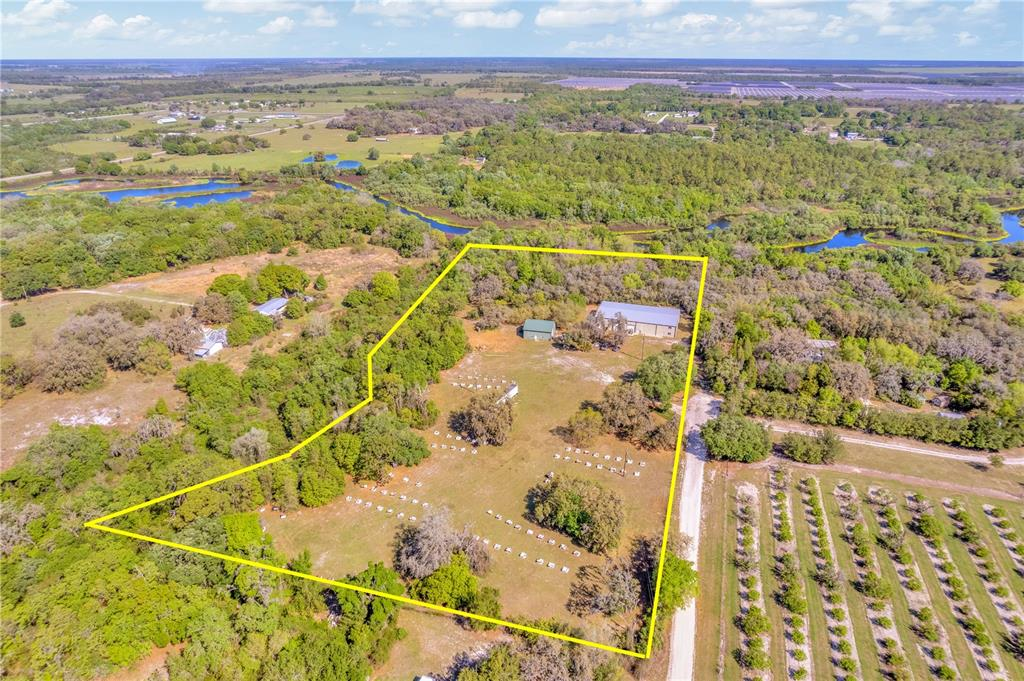
12 Questions You Should Ask
Vacant land can look simple. There is no roof to inspect, no air conditioner to replace and no tenant to remove.
But land transactions can contain some of the most complicated risks in real estate. A parcel listed at an attractive price may become extremely expensive—or impossible to develop—once the buyer investigates what can actually be built.
1. What Is the Property Zoned For?
Zoning determines the types of uses permitted on the property. Do not assume that because nearby parcels contain homes, your parcel can automatically be developed the same way.
2. What Is the Future Land Use Designation?
Future land use and zoning are related but not identical. The comprehensive plan may affect development density, allowable uses and future rezoning possibilities.
3. Does the Property Have Legal Access?
A parcel may physically touch a road but still have access issues. Confirm that legal ingress and egress exist.
4. Are Utilities Available?
Determine whether the property has access to:
- Water & Sewer
- Electricity & Natural gas
- Internet
Extending utilities can substantially change the economics of a project.
5. Will You Need a Well or Septic System?
If public utilities are unavailable, soil conditions and lot size may determine whether septic is possible.
6. Are Wetlands Present?
Wetlands can significantly reduce the usable portion of a property. Environmental permitting can also add cost and delay.
7. Is the Property in a Flood Zone?
Flood risk can affect construction requirements, insurance and site preparation costs.
8. Are There Easements?
Utility, drainage, access and conservation easements may restrict where improvements can be constructed.
9. What Are the Setbacks?
Setbacks determine how far structures must remain from property boundaries, roads or environmental features. A narrow or irregular parcel may have far less buildable area than expected.
10. Are Impact Fees Required?
Local governments often charge impact fees related to roads, schools, utilities and other infrastructure. These costs should be considered before determining the true acquisition price.
11. Are There Deed Restrictions?
Private deed restrictions may impose limitations beyond government zoning.
12. What Will It Actually Cost to Develop?
Purchase price is only the beginning. Development expenses may include:
- Surveying & Engineering
- Clearing & Fill
- Drainage & Utility connections
- Driveways & Permitting
- Impact fees
- Architectural plans & Environmental studies
The Bottom Line
When buying land, the most important question is not: “How much does the property cost?”
It is: “What can I legally and economically do with it?”
Complete your due diligence before your inspection period expires—not after closing.



Join The Discussion